Bleacher safety is essential for protecting spectators and ensuring long-term structural integrity. The topic of bleacher inspection is particularly relevant for venues in Connecticut communities like Putnam, where local codes and building standards can influence inspection schedules. While requirements vary by jurisdiction, adopting a clear and consistent inspection program helps reduce risk, maintain compliance, and extend the life of seating structures.
Why Bleacher Inspections Matter
Regular inspections identify hidden hazards before they cause injury or equipment failure. Key safety concerns include:
- Fasteners, bolts, and bracing: Loose or corroded connections can compromise stability.
- Decking and seating planks: Cracks, splinters, or warped boards create trip hazards and reduce load capacity.
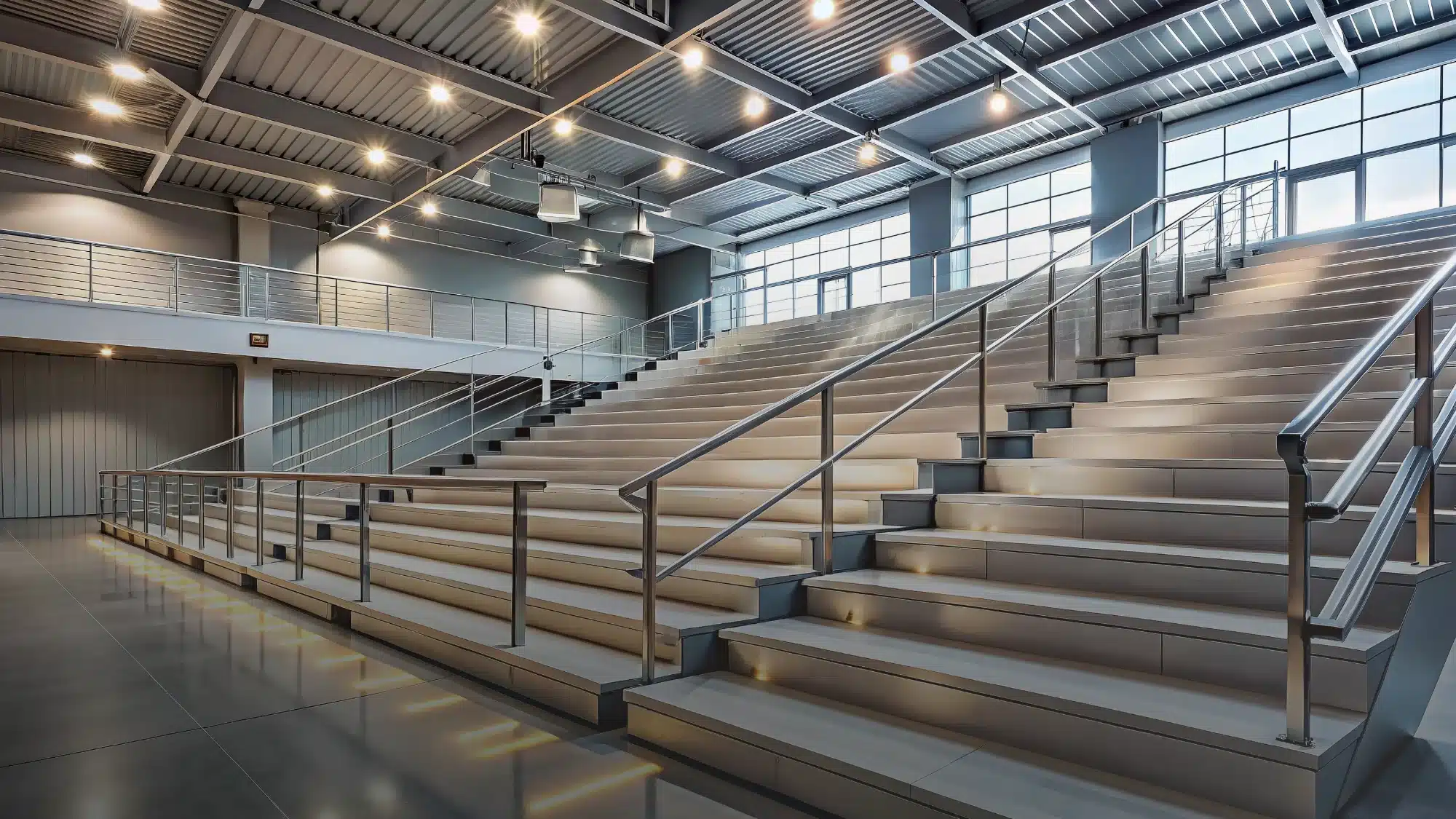
- Guardrails and handrails: Missing or damaged rails impede safe egress and support.
- Steps and aisles: Uneven elevations or damaged treads increase the risk of trips and falls.
- Anchorage and foundation: Shifting or settling can affect overall alignment and load distribution.
- Accessibility and egress: Compliance with accessibility standards is essential for safe, inclusive use.
How Often to Inspect
A practical, safety-focused approach combines professional inspections with routine visual checks:
- Annual professional inspection: A qualified inspector should evaluate the structural system, anchorage, and critical components to certify safety and compliance. If you’re searching for a bleacher inspection Putnam, CT relies on, engaging a licensed structural professional familiar with local codes is advisable.
- Monthly visual checks: Facility staff or site managers should perform simple, documented visual checks for obvious issues such as loose fasteners, damaged boards, rust, or missing guards.
- Post-event and post-storm checks: Any event with heavy use, impact, or severe weather should trigger a targeted inspection to catch damage not evident during routine rounds.
- After repair or modification: Any structural repair, replacement of seating sections, or addition of new components should be followed by a re-inspection to verify the repair’s integrity.
Regional Context: Putnam, CT, and Local Compliance
In Putnam, CT, facilities must align with applicable state and local regulations, building codes, and life-safety requirements. The specific frequency and scope of bleacher inspections may be mandated by the town’s building department or fire marshal, and operators should consult current local guidance. Even when formal requirements are less stringent, a best-practice approach—combining annual professional inspections with ongoing visual checks—provides a strong safety foundation and helps facilities prepare for any changes in codes.
What to Include in a Bleacher Inspection Putnam, CT
An effective inspection program should cover:
- Structural frame and supports: Inspect for corrosion, cracks, bent members, and proper alignment.
- Seating and decking: Look for cracked boards, protruding nails, splinters, or loose fasteners.
- Fasteners and connectors: Test bolts, welds, and anchors for tightness and integrity.
- Guardrails, stairs, and access: Verify guardrails are secure, steps are even, and handrails are intact.
- Foundation stability: Assess for sinking, shifting, or ground movement that could affect performance.
- Documentation: Record findings in a maintenance log, including photos, dates, responsible personnel, and corrective actions.
Documentation and Compliance
Keep a clear, accessible record of all inspections, repairs, and replacements. A well-maintained log supports accountability and can streamline future inspections by demonstrating ongoing diligence. When possible, obtain written inspection reports from qualified professionals and retain them for review during audits or permit renewals. For venues in Putnam, CT, ensure the documentation reflects both national best practices and any local regulatory expectations.
Taking Action: Steps for Facility Managers
- Schedule annual professional inspections with a qualified engineer or bleacher inspector familiar with local codes.
- Establish a monthly visual inspection routine and assign responsibility to a designated facility team member.
- Create a simple maintenance log template and train staff on how to document concerns and corrective actions.
- Prioritize repairs promptly and verify restoration through a follow-up inspection.
- When in doubt, consult the local building official for definitive requirements related to bleacher inspection in Putnam, CT.
A proactive bleacher inspection program—anchored by a yearly professional assessment, supplemented by routine checks—helps facilities in Putnam, CT maintain safety, comply with applicable codes, and protect the long-term structural integrity of seating systems. For schools, municipalities, and facility owners seeking reliable professional support, MW Billings Inc. provides experienced inspection and engineering services tailored to Connecticut regulations and site-specific conditions. With a focus on structural evaluations, condition assessments, and safety-driven recommendations, MW Billings Inc. helps clients identify risks early and plan effective corrective actions. If you are looking to establish or strengthen your inspection program, partnering with a trusted local professional can simplify compliance and reduce long-term liability.
Contact MW Billings Inc. to schedule a consultation or learn more about professional bleacher inspection Putnam CT services designed to support safe, code-compliant, and dependable spectator seating.