Introduction
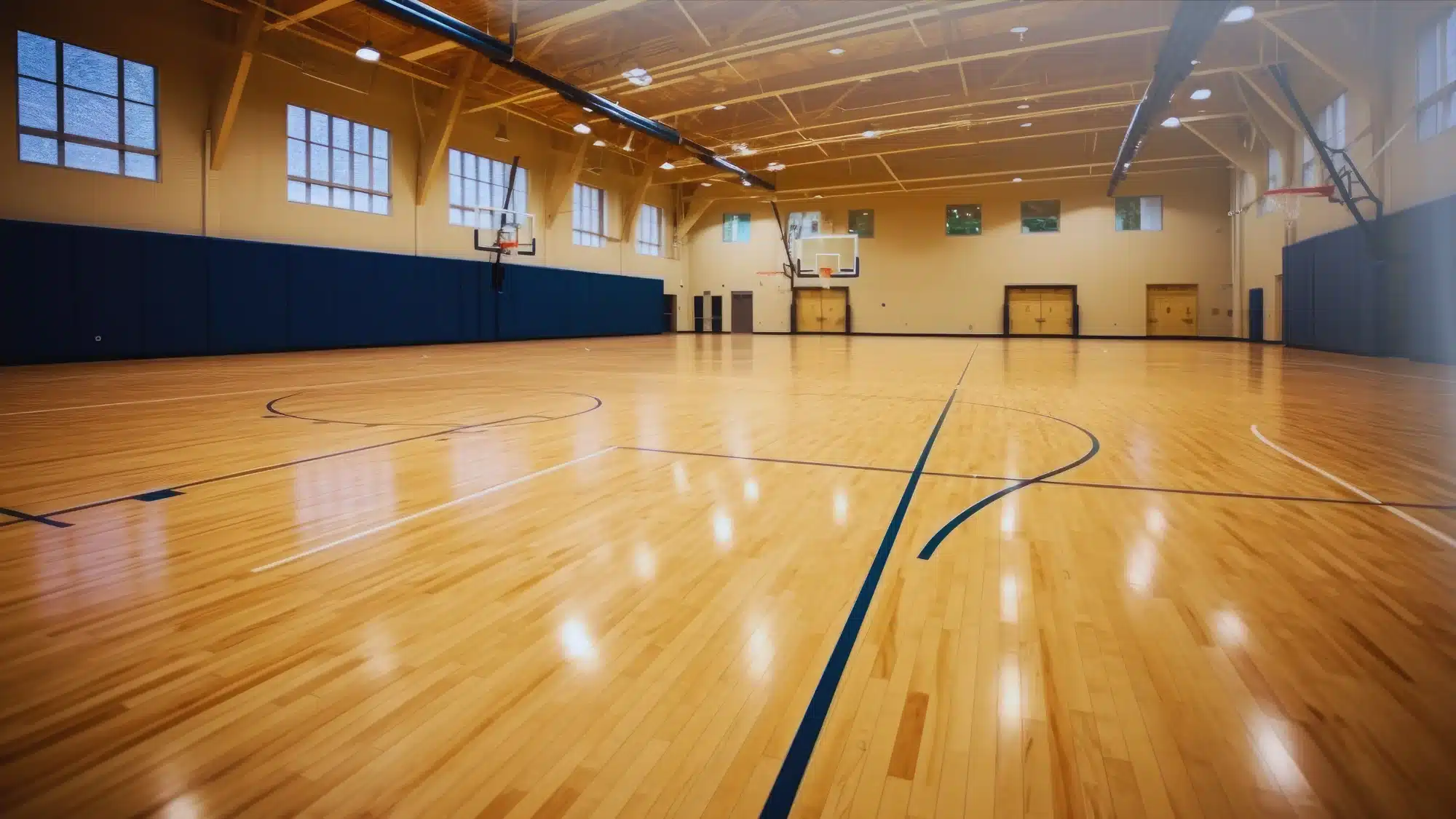
As November ushers in colder weather, gyms face unique challenges in protecting their flooring from increased winter traffic. Snow, ice, and road salt tracked indoors can quickly degrade gym floors, impacting both safety and aesthetics. Proactive preparation is essential to maintain your facility’s professional appearance and ensure athlete safety—especially if you’re also planning facility upgrades like basketball goal backboard replacement.
Why Winter Demands Special Attention for Gym Flooring
Winter weather brings moisture, salt, and debris into gyms, which can:
- Wear down finishes
- Cause warping or surface damage
- Create slip hazards
- Dull the floor’s appearance
Temperature fluctuations between the cold outdoors and heated interiors can also cause flooring materials to expand and contract, leading to cracks or instability.
Best Practices for Preparing Gym Floors in November
1. Install and Maintain Entrance Mats
- Place high-quality mats at all entry points to trap moisture, salt, and dirt before they reach the gym floor.
- Regularly clean and vacuum mats to ensure they remain effective—dirty mats can become a source of debris themselves.
2. Increase Cleaning Frequency
- Sweep and dust mop frequently—ideally multiple times per day during peak traffic—to remove grit and salt that can scratch the floor.
- Use manufacturer-approved, winter-friendly cleaning solutions for damp mopping to remove salt residue without harming the finish.
- Spot clean wet or dirty areas immediately to prevent moisture from seeping into the flooring.
3. Control Indoor Climate
- Maintain humidity levels between 35% and 50% and keep temperatures in the 60–75°F range to minimize wood shrinkage and cracking.
- Use industrial fans or heaters in high-traffic areas to quickly evaporate excess moisture.
4. Routine Inspections and Preventative Maintenance
- Inspect floors for cracks, warping, or dullness and address issues promptly.
- Apply a protective finish before winter to shield against salt and moisture.
- Stock up on winter-friendly cleaning supplies and ensure staff are trained in winter maintenance routines.
5. Structural and Facility Checks
- Inspect the gym roof for leaks and repair any vulnerabilities before heavy snow arrives.
- Insulate water pipes to prevent bursts, which can cause significant water damage.
6. Use Floor Covers During Events
- For games or community events, use heavy-duty gym floor covers to protect against increased foot traffic and tracked-in debris.
Long-Term Strategies and Post-Winter Recovery
- After winter, conduct a thorough deep clean and assess the effectiveness of your maintenance plan.
- Address any lingering issues, such as refinishing worn areas or scheduling basketball goal backboard replacement if needed, to keep your facility in top shape for spring sports.
Safety Measures for Gym-Goers
- Set up designated drying areas near entrances.
- Use non-slip coverings in high-traffic zones.
- Place caution signs in moisture-prone areas and educate members on wiping shoes and avoiding wet spots.
Integrating Facility Upgrades
If you’re planning a basketball goal backboard replacement this season, coordinate the installation with your winter floor protection efforts. Ensure that contractors use floor covers and follow all winter maintenance protocols to prevent accidental damage during upgrades.
Conclusion
By implementing these best practices, MW Billings, Inc. helps gyms maintain safe, attractive, and high-performing floors throughout the winter. Proactive preparation in November ensures your facility is ready for increased traffic and harsh weather—protecting your investment and supporting your athletes all season long.