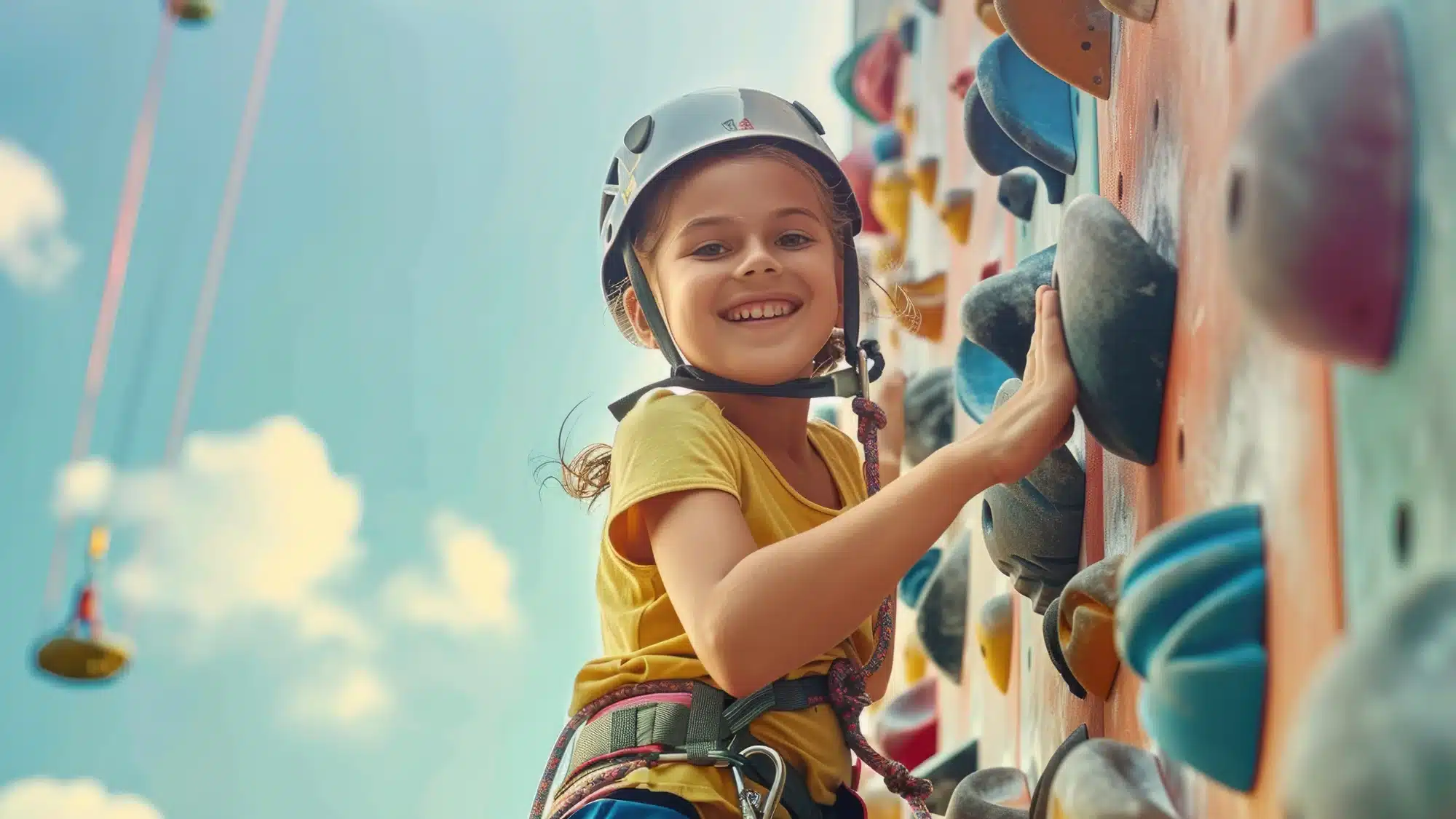
This article from MW Billings, Inc. reviews the essential materials involved in professional Climbing Wall Construction projects. It highlights durable, safe, and serviceable options used by reputable commercial builders and indoor facilities. While material choices vary by wall type and budget, understanding these core components helps facility managers plan for longevity, maintenance, and safety.
Key Structural Materials
Framing and Backing
A solid framing system is the backbone of any climbing wall. In wooden walls, builders typically use lumber such as 2×4 or 2×6 Studs, with cross-bracing and secure connections to a stable floor and ceiling structure. For taller or high-traffic walls, cold-formed steel studs or a steel backbone may be employed to increase rigidity and reduce deflection. The framing must be designed to carry the loads from climbing holds, routes, and regular use, and it should be installed in accordance with local building codes and engineering guidance.
Wall Panels and Surface Substrates
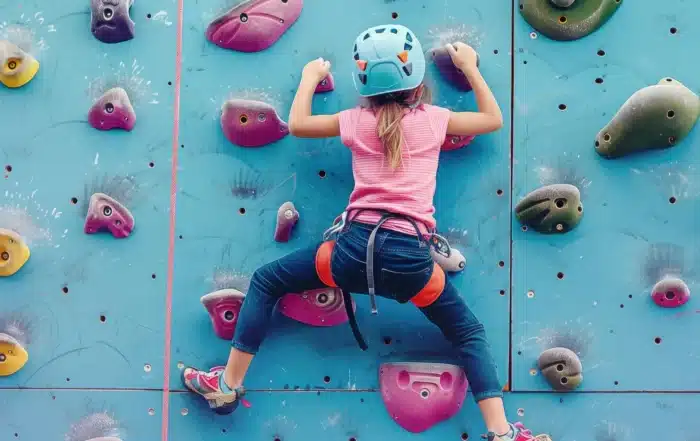
The wall’s primary surface is usually a plywood-based panel system. Common choices include 3/4-inch plywood panels or Baltic birch panels, which offer a smooth, durable surface that stands up to repeated bolt-throughs and grip use. Some facilities also use high-density fiberboard (HDF) or composite panels in modular systems. The surface chosen should balance impact resistance, weight, and ease of route setting while providing a stable base for holds.
Surface Materials and Finishes
Climbing Holds
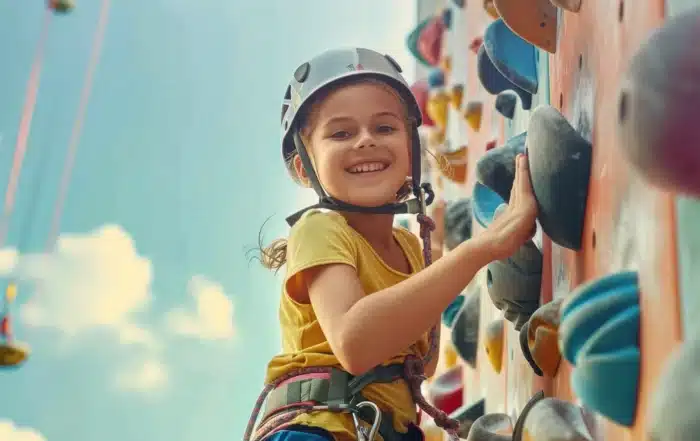
Climbing holds are a central component of any professional project. The most durable and widely used material is polyurethane (PU) resin, often formulated for long life under repeated use and varying temperatures. ABS holds, while lighter and more economical, tend to wear more quickly in high-traffic settings. The selection often depends on expected wear, maintenance schedule, and budget. Holds are secured with stainless steel bolts and hardware designed to withstand repeated loading and cleaning.
Surface Textures and Finishes
Texture and grip on the climbing surface can be achieved with textured coatings or bonded finishes applied over the substrate. Textured coatings may include acrylic-based or polyurethane options that provide consistent friction and color tagging for routes. Some walls utilize a pre-finished or laminated surface to reduce maintenance work and ensure a uniform surface quality across routes.
Safety, Finishes, and Maintenance
Crash Mats and Landing Zones
A critical safety component of professional climbing wall construction is the landing area. High-density crash mats or foams are positioned beneath the wall to absorb impact during falls. The mats should meet safety guidelines for thickness, density, and coverage, and they must be regularly inspected for wear and compression.
Anchors, Fasteners, and Safety Rails
All fasteners and anchors must be corrosion-resistant and appropriate for the wall’s materials and loads. Stainless steel screws and bolts are commonly used to resist rust in gym environments. Where applicable, safety rails or harness anchor points are integrated into the design following facility and safety standards.
Regional Context and Quality Indicators
Material Selection by Wall Type
Indoor fitness centers, schools, and competitive climbing facilities each have different demands. For example, high-traffic commercial walls favor durable plywood or composite panels, robust steel-backed frames, and PU holds for longevity. Route setting opportunities and maintenance cycles also influence material choices, as does climate (humidity, temperature) and the intended lifespan of the wall.
Supplier Confidence and Certification
Choose materials from reputable suppliers who provide product specs, installation guidelines, and warranty coverage. In professional Climbing Wall Construction, verification of load ratings, mounting methods, and compatibility with standard holds is essential. Facility managers should request documentation on material origin, fire ratings where applicable, and maintenance recommendations.
Buying Tips for Climbing Wall Construction
- Prioritize structural integrity: ensure framing, backing, and fasteners are rated for intended loads and compliant with local codes.
- Choose a durable surface: Baltic birch or high-quality plywood panels offer longevity and ease of route setting.
- Select holds with known performance characteristics: polyurethane holds for durability; reserve ABS for cost-conscious projects or lower-traffic areas.
- Safety plan: include appropriate crash mats, clear spacing, and inspection routines for bolts and panels.
- Work with experienced suppliers and installers: request references and detailed installation guidelines to support a smooth construction process.
Conclusion
By understanding the essential materials used in Climbing Wall Construction, facilities can design walls that are safe, durable, and adaptable to changing routes and user needs. If you’re planning a new climbing wall or upgrading an existing facility, MW Billings, Inc. can provide material recommendations, design insights, and installation support to help ensure a successful project. For a detailed consultation and quotes, contact our team today.