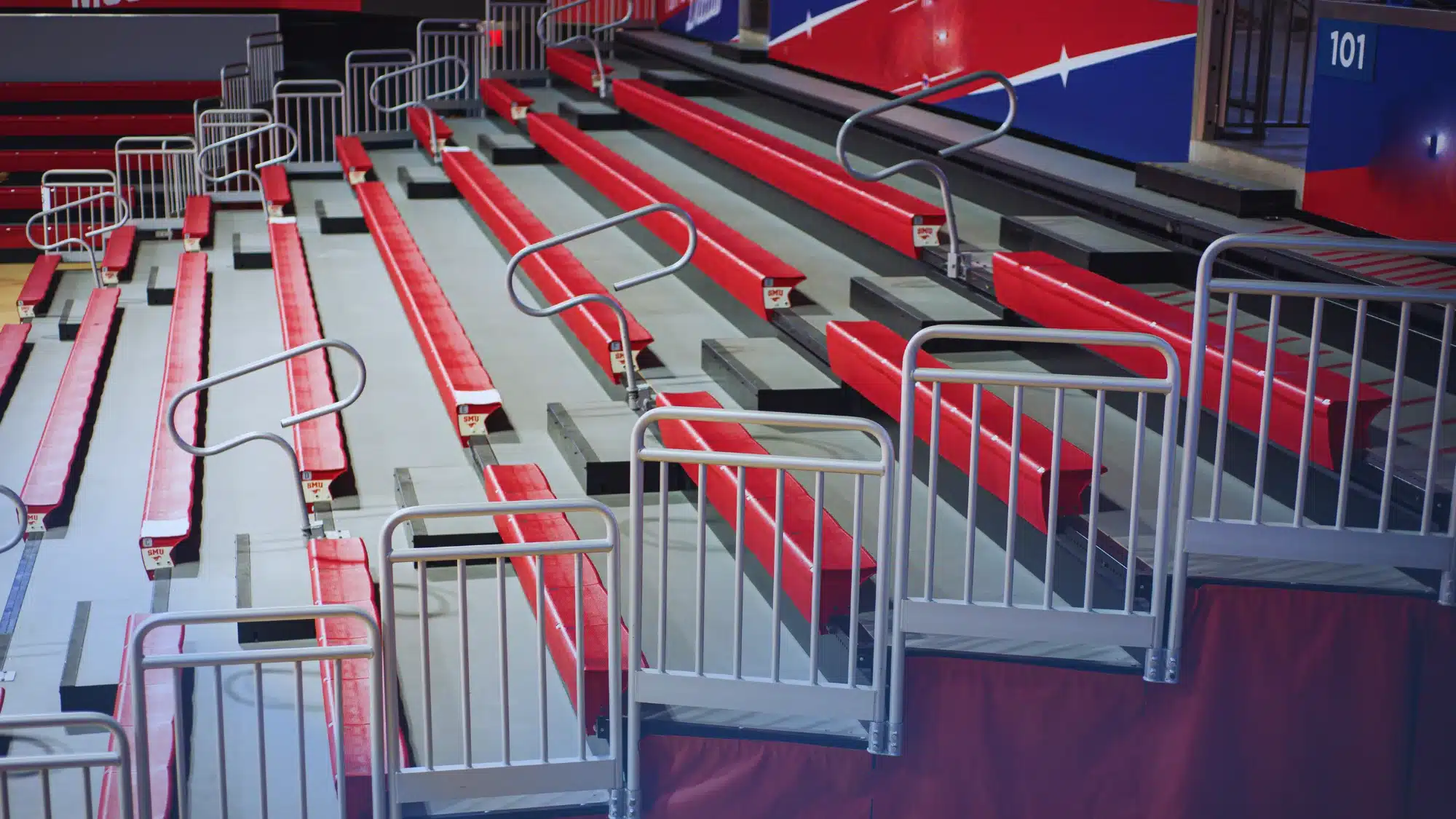
MW Billings, Inc. serves facilities in Danielson and surrounding areas with safety-focused solutions for bleachers and spectator stands. A common question is, “What safety barriers are required beneath guardrails when there is no existing 21-inch wall?” While exact requirements depend on local codes and the specific structure, several core principles guide safe, code-compliant installations.
Regulatory Context and Safety Principles
The edge of elevated seating typically requires a barrier system to prevent falls from the platform. When a 21-inch wall is absent, most jurisdictions expect a properly designed barrier beneath or adjacent to the guardrail that stops a fall into the seating area or onto the ground. Key sources that influence these decisions include federal and state safety codes and standards such as OSHA, the NFPA Life Safety Code, and the International Building Code (IBC). Because requirements vary by location, it is essential to consult the local building official or a qualified engineer before proceeding. For bleacher projects, MW Billings, Inc. often collaborates with clients to ensure designs meet applicable codes and reflect site-specific conditions.
Practical Barrier Options When the 21-Inch Wall Is Absent
If a 21-inch wall is not present, consider these practical, commonly accepted approaches to achieving safe, code-compliant protection:
- Guardrails with proper infill: A guardrail system installed at the edge of elevated seating, complemented by appropriate infill panels to prevent small objects or finger entrapment, is a typical solution. A top rail height of around 42 inches is a widely used target in many workplaces and facilities, with a mid-rail to reduce fall risk and provide structural redundancy.
- Toe boards and kick plates: Toe boards (often around 4 inches high) help prevent items or footwear from slipping under the barrier, while kick plates reinforce the edge against impacts.
- Sturdy post and rail construction: Posts must be securely anchored to the bleacher structure or the supporting framework, with fasteners rated for outdoor or indoor use as appropriate.
- Optional protective screens or mesh: In some venues, protective mesh or infill panels are employed to address specific fall-path concerns or to prevent objects from passing through gaps.
- Material considerations: Outdoor seating areas benefit from corrosion-resistant substrates such as hot-dip galvanized steel or aluminum, with weatherproof finishes to extend service life and reduce maintenance.
Material and Installation Considerations
- Structural compatibility: Barrier components should be sized and anchored to resist typical loads expected in spectator environments. A licensed installer will verify that the barrier integrates with existing bleacher supports.
- Accessibility and crowd flow: Design should avoid creating pinch points while maintaining unobstructed egress routes in emergencies.
- Maintenance and inspection: Regular inspections of fasteners, coatings, and barrier integrity help maintain safety over time. Address any rust, loosening, or damage promptly.
- Local code alignment: Always verify dimensions, heights, and permitted enhancements with the local authority having jurisdiction.
MW Billings, Inc. and Bleacher Guardrail Installation Danielson
If you’re seeking reliable bleacher guardrail installation Danielson facilities trust, MW Billings, Inc. can evaluate site conditions, discuss code requirements, and propose a practical barrier solution. Our approach emphasizes safety, durability, and compliance, delivering barrier systems that protect spectators while integrating with the venue’s design. If you’re planning a refurbishment or new bleacher installation, consider scheduling a site assessment to confirm that beneath-guardrail barriers meet the latest standards and local codes.
Buying Tips and Maintenance for Safe Bleacher Barriers
- Confirm code requirements early: Engage with local authorities or a qualified engineer to determine exact guardrail and barrier requirements for your venue.
- Prioritize durability: Choose materials suited to the environment (indoor vs. outdoor) and expected traffic, with finishes that resist corrosion and wear.
- Verify installation details: Ensure posts are correctly anchored, gaps between infill panels are within safe limits, and toe boards are included where appropriate.
- Plan for accessibility and egress: Barriers should not impede evacuation routes or sightlines from seating areas.
- Schedule routine inspections: Annual or semi-annual checks help catch loose fasteners, corrosion, or deformation before they become safety issues.
If your facility is missing a 21-inch wall and you need compliant protection for elevated seating, MW Billings, Inc. can assist with bleacher guardrail installation in Danielson and nearby communities. By aligning barrier design with code requirements and site conditions, you protect spectators and support a reliable, long-term solution. Contact us today for a site visit, a clear scope, and a no-obligation quote for your bleacher guardrail needs.